

I’m pretty sure the Sierras are the most beautiful place I’ve ever been. I make the five hour drive from Los Angeles roughly ten times a year to rock climb, mountain bike, ski, snowboard, backpack, hike, and just hide away in the mountains. This Yosemite to Sequoia National Park road trip hits all my favorite spots in the Western Sierras including Kings Canyon and Shaver Lake.
Disclaimer: Some of the links in this article are affiliate links, designed to allow The Unremarkable Climber (me) to earn a small commission if you choose to make a purchase through them, at no extra cost to you. This really helps support the site and lets me know you find this information valuable! That being said, all of my recommendations, commission based or not, are genuine recommendations based on years of experience doing the things I love, so I hope you love them as much as I have! Feel free to contact me with any questions.
Yosemite to Sequoia National Park Road Trip: Planning Your Route
Should I choose Eastern or Western Sierras?
You can explore the Sierras in any season depending on your commitment and mode of transportation (car vs. feet vs. backcountry skis). Generally, on a realistic road trip, you’d have to decide between driving down the Eastern or Western Sierras. Options to cut through the middle are very limited, and almost nonexistent in the winter.
The Sierra Nevada Mountains have no through road from east to west between Sherman Pass Road through Sequoia National Forest to the south and Tioga Road through Yosemite National Park to the north: roughly 150 miles as the crow flies. Both passes are only open from May-ish through November-ish when the snow has melted enough.
If your priorities include Yosemite and Sequoia National Parks, you must choose the Western Sierra route. If your priorities include visiting Mammoth Lakes, Bishop, the Ancient Bristlecone Pine Forest, or continuing on to Death Valley National Park, this Eastern Sierra route might be better.


Should I begin in Sequoia or Yosemite?
I don’t think it matters which way you complete this road trip. I’ve written it from Yosemite to Sequoia with the assumption you might be flying or driving in from the San Francisco area, but if you’re coming from Los Angeles, it won’t make much difference to flip around the order.
How many days long should my Yosemite to Sequoia National Park road trip be?
I could find new things to do and places to explore for months, but I think a realistic timeframe is from four to seven days depending how early you wake up and how many time-consuming things you want to accomplish.
Four days is a bit short for a Yosemite to Sequoia National Park road trip, but it’ll get the job done if that’s all you have. Five or six days could be sufficient in the winter (more road/trail closures) and seven is best in the summer because you can hike further and explore parts of the parks closed during snowy season. Any more than seven days is a privilege and you can always find more things to do!
I’ll make sure to highlight which activities are only accessible in the summertime.

Yosemite National Park
Ideally, I’d want at least two to three days here. Yosemite Valley, Tuolumne Meadows, Hetch Hetchy, and Glacier Point are in different corners of the park that each take over an hour to drive between, but are all very worth the visit. In the wintertime, only Yosemite Valley and Hetch Hetchy will be open which helps narrow it down, but I’d personally choose Tuolumne over Hetch Hetchy in the summertime.
I’d also recommend staying somewhere central to it all (scroll down for my recommendations). The Valley is the most central area, but is also very busy and campsites further away will offer a quieter experience. No matter what, I’d avoid recreating in Yosemite Valley itself on a weekend unless you plan to park and begin your adventure before 7am.
Here’s how I’d organize the Yosemite National Park portion of the Yosemite to Sequoia National Park road trip:

Day 1: Hetch Hetchy
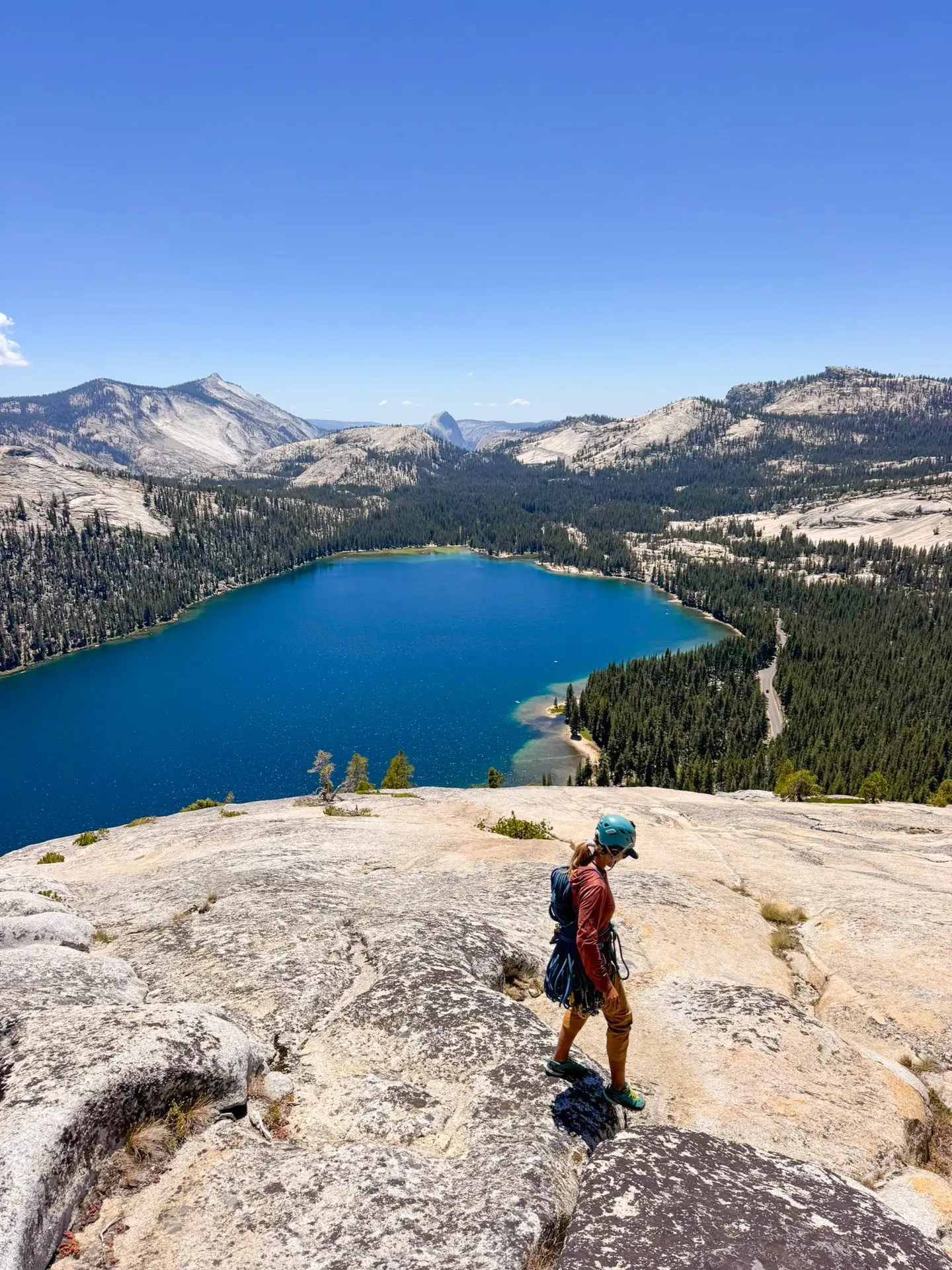
I’d prefer to enter at the north end of the park and begin my road trip at Hetch Hetchy. Not only is it incredibly stunning and open year-round, but it’s also at a relatively low elevation of 3,900ft which is a nice way to acclimate for the days ahead.
I’d recommend parking at the dam and hiking Wapama Falls Trail: the main trail around the lake. Wapama Falls Trail is 5 miles round trip to 1,400ft Wapama Falls. Afterwards, you can continue around to Rancheria Falls (13mi round trip), or simply find a nice place to picnic along the trail overlooking the lake.
The most important thing to remember about the road to Hetch Hetchy is the strict hours of operation: sunrise to sunset. You MUST be out by sunset. Hopefully, you’ll already be well on your way to your campsite/accommodation in Yosemite Valley.
Day 2: Tuolumne Meadows (summer only)
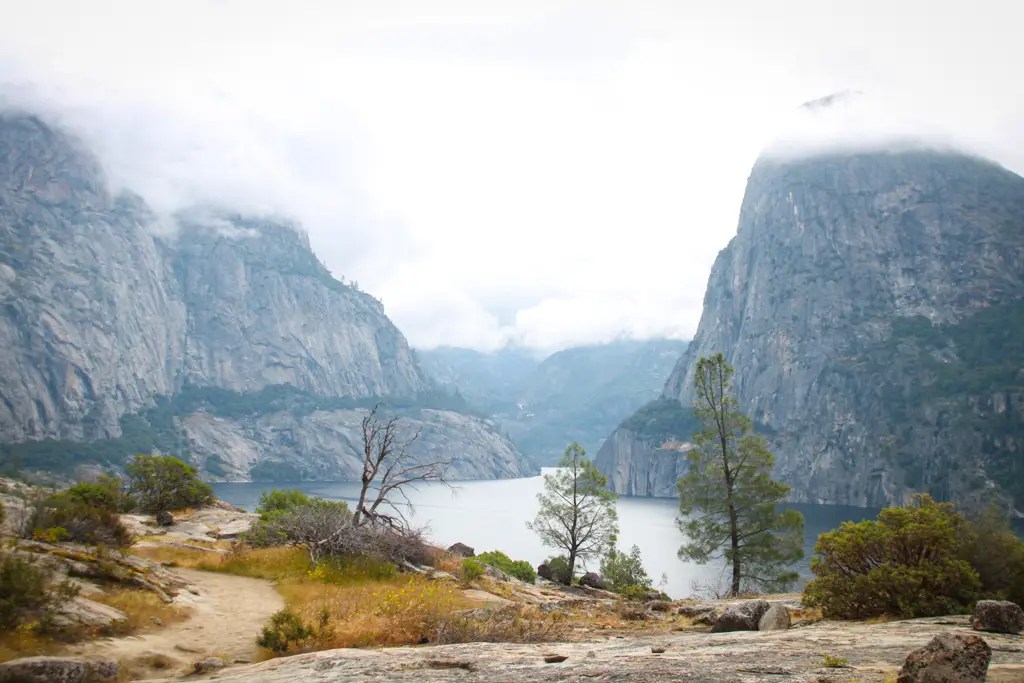
Personally, Tuolumne Meadows is my favorite part of Yosemite. It is much cooler due to the high elevation (8,600 ft) and SO much quieter than the Valley. Unfortunately this area is buried under the snow in the winter and therefore inaccessible for half the year.
In the summer, I’d personally recommend hiking to Lower Cathedral Lake (8.2 miles roundtrip), and consider adding an extra mile to check out Upper Cathedral Lake. This trail offers an epic view of some of the granite domes indicative of Yosemite high country.
If you’re into rock climbing, definitely consider climbing Cathedral Peak. It’s quite possibly my favorite trad climb ever with an incredible top-out and goes at 5.6 (6ish pitches).
You can also take a trail most of the way and scramble to the top (mostly class 3 with 4th/low 5th up the summit block) for one of the best views in the park! Just make sure to get there EARLY as it’s also one of the busiest climbs in the park without an easy bail point.
For a day that’s considerably more chill than those two options, I’d spend a day hanging out at Tenaya Lake and watching the sunset from Olmstead Point.

I Climb Cathedral Peak in Tuolumne Meadows
Day 3: Yosemite Valley
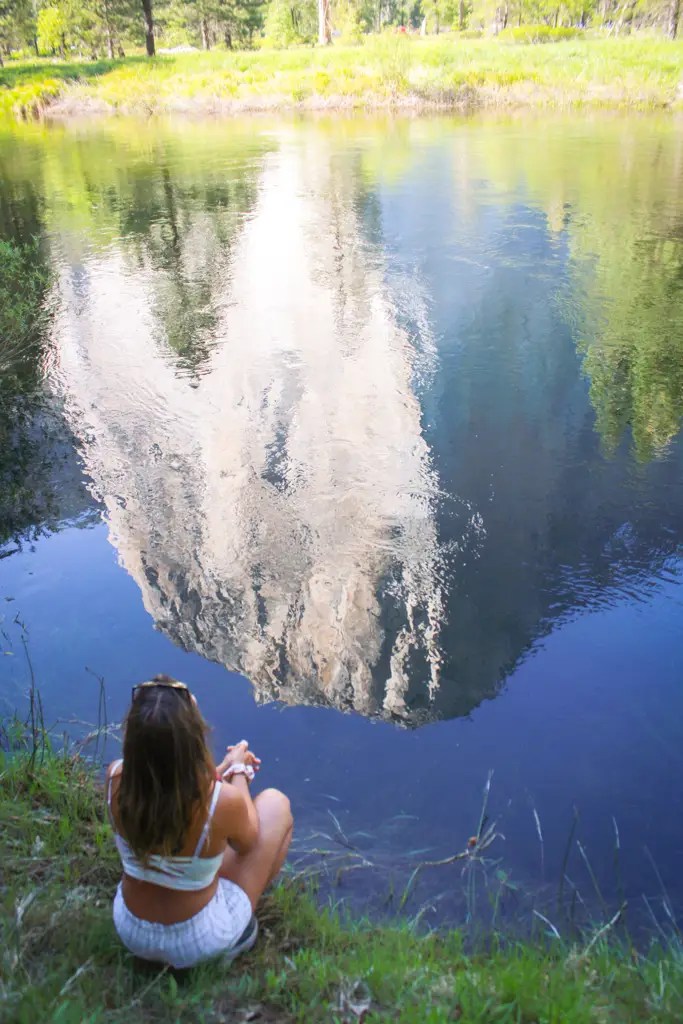
If you have time for only one destination in Yosemite, Yosemite Valley is the obvious choice. Driving in will give you one of the best views in the world, and once there, there are SO many things to do.
Some of my favorite things to do in Yosemite Valley include rock climbing (obviously), taking the short hikes to Bridalveil and Lower Yosemite Falls, floating the Merced River, and grabbing dinner in Curry Village after a long day, but there are a ton of longer hikes if you’d prefer to focus on one thing.
Whatever you decide to do, I’d highly recommend avoiding visiting on a weekend at ALL COSTS, finding parking earlier than you’d like, and utilizing the complimentary shuttle system to get around.

Day 4: Glacier Point (summer only) + Shaver Lake + Grant Grove
No matter how long I spend in Yosemite, I’m always sad to go. I like to go out with a bang by watching the sunrise from Glacier Point. It takes almost two hours to get up there from the main highway, but the panoramic views of all of Yosemite are spectacular and make the trek worth it.
Once you get back down to the highway, it’ll be a relatively quick 4.5 hour drive to Grant Grove in Kings Canyon National Park with a picnic at Shaver Lake in Sierra National Forest on the way.

Mariposa Grove (Optional)
If you’d like to spend your entire 4th day in Yosemite, I’d recommend stopping by Mariposa Grove of Giant Sequoias on your way out.
I didn’t include this stop on the standard itinerary because you’ll see a lot of sequoias on your Yosemite to Sequoia National Park road trip. The trees are just as breathtaking as the ones in Kings Canyon and Sequoia National Park, just not quite as large as the General Sherman or Grant Trees that you’ll see later. However it’s a worthwhile stop if you have the time.
I’d recommend the 6.5-mile Guardians Loop Trail + Grizzly Giant Loop Trail which takes you through the more impressive upper grove. The upper grove was worth the trek for me since it was much less crowded and incredibly more dense with massive trees all around.
This excursion takes longer than expected because of the mandatory shuttle to take you two miles from the parking lot to the trailhead. In the winter, the trail is open but the shuttle doesn’t run, so you’ll have to bring your snowshoes to hike in and around the grove!
Where I'd Stay in Yosemite National Park
Despite being a national park, Yosemite has quite a few accommodation options that range from traditional campsites to private cabin rentals.
The cheapest option is finding a free dispersed campsite outside the park entrance. Even cabin rentals and hotel rooms will be cheaper outside the park, but you have to decide how much your time/sleep is worth. Sleeping outside the park means a longer drive in (can be 1-2 hours depending on location) and waiting in the entrance line which can itself be over an hour after 7am in the summer or on weekends.
I’d recommend at the very least finding a place to stay within the park gates whether that be camping or a real bed.
Camping in Yosemite National Park
Campgrounds within Yosemite National Park vary greatly in size and amenities offered.
Staying in a campground in Yosemite Valley will plop you right in the heart of it all with the most spectacular views and food and groceries available right there in Curry Village. However, the drawbacks include thousands of people everywhere and having to reserve the campsite five months in advance to secure your spot in the summertime. If this is where you’d like to camp, I’d highly recommend using the website below to help with the booking process.
Yosemite NPS Campground Information
During the summer, I personally prefer to stay in Tuolumne at a higher elevation (8,000+ ft). Tuolumne Meadows Campground is massive and is walking distance to the visitor center and general store. I actually prefer the smaller more primitive Porcupine Flat campground. You have to bring your own water and it’s not very RV friendly with uneven dirt roads, but it’s also much quieter and campsites become available two weeks in advance.
Wherever you stay, make sure you plan accordingly. Fuel and groceries within the park are available but quite expensive. If you need a last-minute campsite, I’ve had luck using Campflare to notify me of last-minute availabilities.

Where to Rent a Cabin in Yosemite National Park
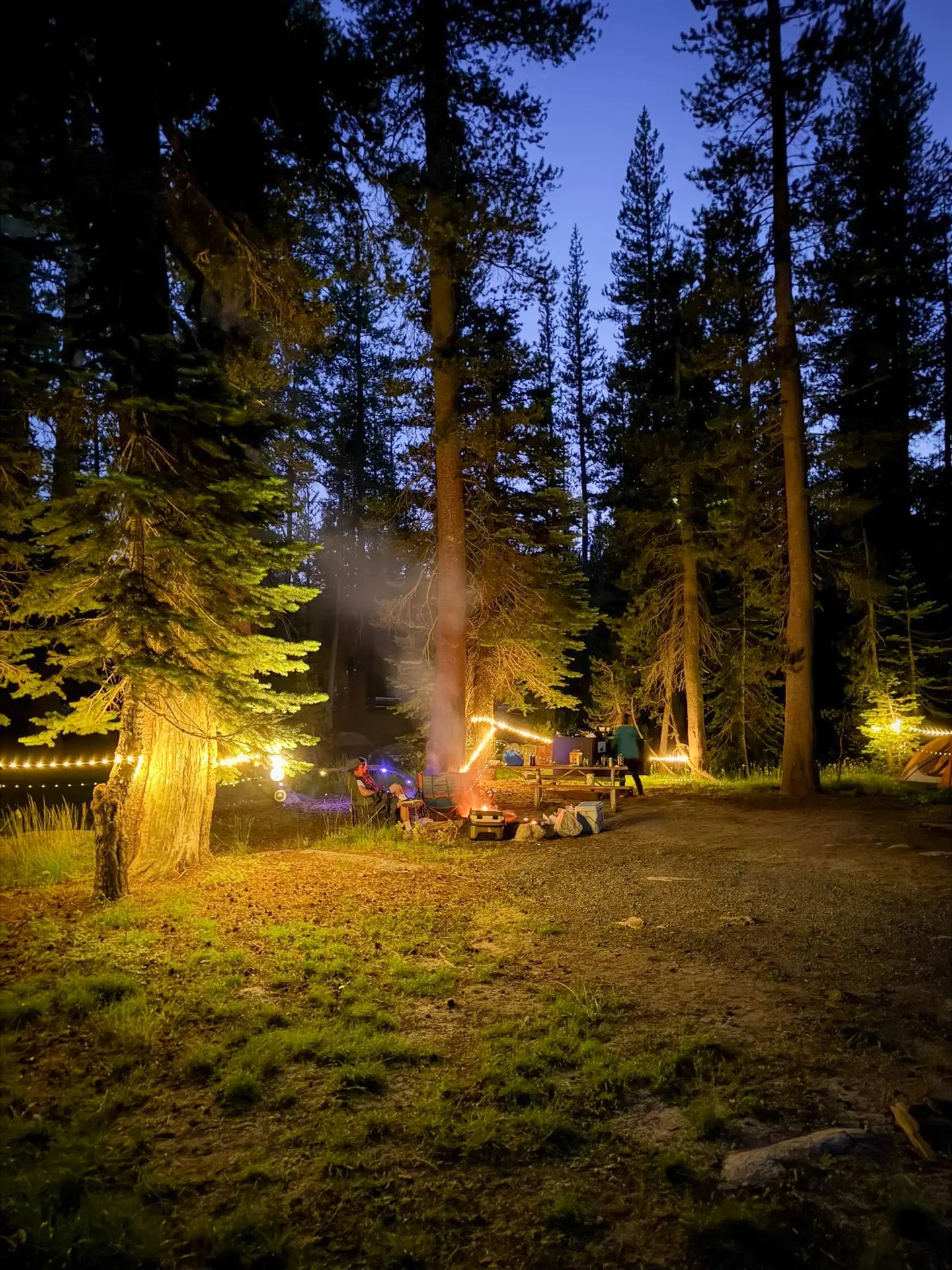
The more comfortable option (and my choice in the winter) is staying in a cabin, or at least more permanent tent structure with access to a bathroom and shower. There are great primitive options right here in Curry Village.
There are also some great cabin options in Wawona inside the park entrance. I really enjoyed my stay here in this small community under a beautiful pine forest.
Another option closer to everything in the park is renting a cabin in Yosemite West. This location is actually located right next to Glacier Point Road (open summers only), which is really convenient for catching the sunrise up there.

Sierra National Forest
Even though it’s less popular than the national parks, Sierra National Forest is massive and encompasses basically everything in the Sierras south of Yosemite and North of Kings Canyon. Although the highway doesn’t go all the way through, you can get pretty far into the mountains in a vehicle (further if your vehicle is 4wd). Even better: it’s open year-round!
There’s so much high country to explore (waterfalls, hiking, hot springs, backpacking, fishing, boating, etc.), you could easily spend a week here. However, on this particular Yosemite to Sequoia National Park road trip, I’d recommend at least a quick stop at Shaver Lake for a nice picnic lunch on the beach and a place to stretch your legs. It’ll only add an hour to the drive and is worth the effort.
If you’re traveling in the wintertime and have an extra day to spare, I’d recommend renting a cabin and enjoying some of the winter activities Sierra National Forest has to offer. While many other destinations on this trip close for the winter, Sierra National Forest still offers snowshoeing and cross-country skiing opportunities, as well as a small ski resort (China Peak Mountain Resort) just up the road.

Kings Canyon National Park
Kings Canyon National Park is the least visited national park on this Yosemite to Sequoia National Park road trip. I only recently discovered just how expansive this park is when we backpacked into the Kings Canyon backcountry to Kearsarge and Rae Lakes from the Eastern Sierras in 2025. It was some of the most breathtaking terrain I’ve ever hiked through.
Even the paved front country is a must-do for me though, because its giant sequoia groves rival those in neighboring Sequoia National Park, and the views down into Kings Canyon itself are quite spectacular. Despite the highlights, it’s still pretty lowkey which makes it easy to find a quiet place away from crowds to really enjoy the mountains.

Day 4 (continued...): Grant Grove
After watching the sunrise from Glacier Point in Yosemite and picnicking at Shaver Lake in Sierra National Forest, I’d drive to Kings Canyon National Park and spend the rest of the afternoon in Grant Grove Village.
On the way, make a quick pitstop at the Big Stump Grove and consider our species’ impact on this beautiful planet, then continue on to Grant Grove where the magnificent trees are fortunately still standing. The main walking loop in Grant Grove is relatively short (paved 1/3 mile), but takes you right up close to General Grant Tree: a MASSIVE giant sequoia!
Walking only five minutes on any adjacent trail will cut out 80% of the crowds and grant you some peace and quiet. I really recommend slowing down and reconnecting with nature after a few hours in the car.


Where I'd Stay in Kings Canyon National Park
Like Yosemite, there’s a range of accommodation options in Kings Canyon National Park, though not quite as many. The main options include developed campsites inside and outside the park boundary as well as dispersed camping and cabin rentals outside the park boundary. Unlike Yosemite, however, I’ve never experienced a line to get through the gate, and all of these options are close by.
Camping in Kings Canyon National Park
I’d recommend choosing a campsite in Grant Grove Village. Azalea Campground in particular is open year-round, is more central in the park, and the higher elevation will be much cooler than down in Cedar Grove.
If these options are full, check out Princess Campground just down the road outside the park, or dispersed camp on a forest road across the boundary in Sequoia National Forest.
Cabin Rentals near Kings Canyon National Park
The main year-round cabins available to rent in the area are in Wilsonia or Hume Lake. I’ve stayed at Hume Lake before, and the lake is super nice, but it is also the location of a kids’ camp. That being said, there is a general store, kayak rentals, and a tiny gas station. Wilsonia is more central, but you are definitely paying for proximity.


Day 5: Kings Canyon Road's End (summer only)
If you have a full day to spend in Kings Canyon National Park, you should definitely spend it in Kings Canyon itself. Highway 180 is closed winters, so this is a summer activity only. As you descend one hour into the canyon, don’t forget to stop at the overlook!
Once you get all the way down to Road’s End, I’d recommend hiking to Mist Falls. This 8-mile roundtrip trail follows the river and is pretty moderate until the last 600-foot climb to the falls.
The whole hike is really pretty, but if you choose to go all the way to the falls, plan to spend 5ish hours on trail. Additionally, since it’s at a lower elevation, it gets pretty hot, so plan to hit the trail early.
After your hike, I’d recommend checking out Boyden Cavern. I really enjoyed it when we last went. It’s more lowkey than Crystal Cave in Sequoia so it’s much easier to book tickets. It’s also a much shorter walk in which makes for a chill (55 degree cave!) cooldown for your day in Kings Canyon.
Driving General's Highway to Sequoia National Park (summer only)
After ascending back up to elevation, I’d recommend driving down Generals Highway to Sequoia National Park and camping down there. On the way, if you have time left, I’d highly recommend hiking to/watching the sunset from the top of Little Baldy— a relatively small granite dome with a panoramic view of Sequoia and Kings Canyon National Parks. Just make sure to bring a headlamp for the hike back!
Keep in mind this section of road is also only open in the summer, so during the winter, you’ll have to drive roughly three hours all the way out, down the hill, and around to Sequoia National Park.
Sequoia National Park
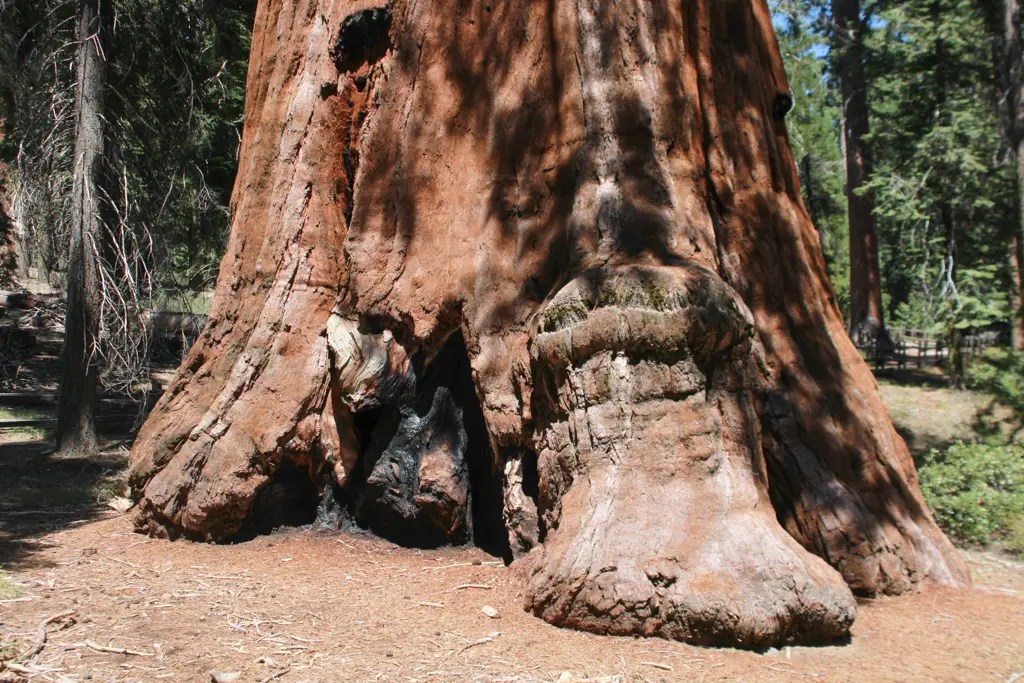
The final destination on this Yosemite to Sequoia National Park road trip won’t disappoint! Home to the largest tree on the planet (General Sherman Tree) and miles of granite high country as far as the eye can see, Sequoia National Park is the perfect finale. I’d recommend spending your fifth night in Lodgepole Campground to get an early start the next morning if hiking to Pear Lake is the goal (see below).
Day 6: Hike Lakes Trail or Tokopah Falls (summer only or snowshoes)
During the summer, I’d recommend hiking either Tokopah Falls or Lakes Trail as a full day adventure in Sequoia National Park.
Tokopah Falls Trail follows the Marble Fork of the Kaweah River for just over two miles one way and just over 600 feet of elevation gain to a beautiful 1,200 foot waterfall. This trail has a longer season than its neighboring Lakes Trail and is much easier.
Lakes Trail is one of my favorite hikes in the Sierras. I backpacked to Pear Lake in June 2025 and was blown away with the beauty and isolation only six miles from the car.
Lakes Trail climbs through a nice pine forest for two miles before coming to a fork. Watchtower Trail is to the left and offers STUNNING views down to Tokopah Falls in the valley below. At mile four, you’ll hit Heather Lake, then Emerald Lake at mile five, then Pear Lake at mile six.
I thought it was impossible for each lake to be prettier than the last and I was proven wrong. In total, the entire hike is roughly 12 miles out and back with 3,000 feet of elevation gain, but every step is worth the effort!


Wintertime Option: Snowshoeing!
Both trails above are accessible in the winter months by snowshoe or backcountry skis. There is even a hut at Pear Lake reservable for experienced backcountry skiers who can navigate the six miles in the snow. Although I’m not that proficient yet, I can’t wait to try it out one day!
If you’ve never done either activity before, I’d recommend the snowshoe tour below to give it a go in one of the most beautiful places imaginable. Your guide will provide the gear, show you the ropes, and take you on a nice beginner trail through the trees.
Day 7: Sherman Grove + Moro Rock (summer only)
Each of these stops can be completed in a hour, but are worth your time. They are both very high reward for relatively low effort which makes them perfect choices for a nice cool-down day to finish out an incredible road trip.
Hiking Sherman Grove via Congress Trail
I’d recommend finding parking for Sherman Grove relatively early because it is the most popular attraction in Sequoia National Park. Home to the General Sherman Tree, the largest tree on earth by volume, it’s a must-do in my opinion.
I’d recommend seeing it by hiking Congress Trail— a year-round three-mile easy trail that descends into the impressive giant sequoia grove and passes Sherman Tree, McKinley Tree, and Chief Sequoyah along the way among others.

Hiking Moro Rock (summer only)
Hiking up Moro Rock is more of a walk up some rocky stairs than a real hike. It takes maybe 10 minutes of stair climbing to reach one of the best views in Sequoia National Park! Even as a rock climber, Moro Rock is pretty impressive, and there are quite a few trad climbing routes up the face if you’d prefer the more challenging way to the top.
During the winter, you can technically reach Moro Rock by snowshoeing two miles each way from Giant Forest Museum, but the steps up to the top are often treacherous and icy, so use your best judgement.
Looking out over Sequoia National Park from the top of Moro Rock is the perfect way to end a week of road tripping down the Western Sierras. Where are you headed to next?
Where I'd stay in Sequoia National Park
My top choice for camping in Sequoia National Park is reserving a campsite at Lodgepole Campground. The campground is usually open from May through December and can be reserved four months in advance. Otherwise, Potwisha Campground located in an oak woodland in the foothills is open year-round.

Best Month for a Yosemite to Sequoia National Park Road Trip
I think the best time of year for a Yosemite to Sequoia National Park road trip is in September. The campgrounds should still be open, the weather should be nice (unless a rogue storm rolls through), and the mosquitos and summer crowds will be all but gone for the season.
Obviously, September might not be doable for everyone, nor is taking a week off work. If possible, I’d at least try to visit between May and November because most of the roads will still be open. It’s still worth it in the winter (bring tire chains!), but your options will be severely limited.
Below, I’ve laid out three sample itineraries for different length trips if you need a bit more flexibility and want to hit all the essentials.
7 Days (summer)
Day 1: Drive to Yosemite
- Hetch Hetchy
- Hike Wapama Falls
- Set up camp in Yosemite Valley
Day 2: Explore Yosemite
- Tuolumne Meadows
- Climb Cathedral Peak
Day 3: Explore Yosemite
- Yosemite Valley
- Hike Lower Yosemite Falls
- Walk to Bridalveil Falls
- Float the Merced
- Eat pizza in Curry Village
Day 4: Yosemite to Kings Canyon
- Glacier Point Sunrise
- Drive 2.5hrs to Shaver Lake (picnic)
- Drive 2.5hrs to Kings Canyon
- Grant Grove Village
- Hike in Grant Grove
- Set up camp in Azalea Campground
Day 5: Kings Canyon to Sequoia
- Explore Kings Canyon
- Hike to Mist Falls
- Boyden Cavern Tour
- Drive Generals Highway
- Hike to Little Baldy for sunset
- Set up camp at Lodgepole Campground
Day 6: Explore Sequoia
- Hike to Pear Lake via Watchtower Trail
Day 7: Explore Sequoia
- Hike Congress Trail
- Sunset at Moro Rock
5 Days (summer)
Day 1: Drive to Yosemite
- Tuolumne Meadows
- Hike Cathedral Lakes
- Set up camp in at Porcupine Flat
Day 2: Explore Yosemite
- Yosemite Valley
- Hike Lower Yosemite Falls
- Walk to Bridalveil Falls
- Float the Merced
- Eat pizza in Curry Village
Day 3: Yosemite to Kings Canyon
- Glacier Point Sunrise
- Drive 2.5hrs to Shaver Lake (picnic)
- Drive 2.5hrs to Kings Canyon
- Grant Grove Village
- Hike in Grant Grove
- Set up camp in Azalea Campground
Day 4: Kings Canyon to Sequoia
- Explore Kings Canyon
- Hike to Mist Falls
- Drive Generals Highway
- Hike Congress Trail
- Set up camp at Lodgepole Campground
Day 5: Explore Sequoia
- Hike to Tokopah Falls
- Sunset at Moro Rock
5 Days (winter)
Day 1: Drive to Yosemite
- Hetch Hetchy
- Hike Wapama Falls
- Check into Curry Village cabin
Day 2: Explore Yosemite
- Yosemite Valley
- Hike Lower Yosemite Falls
- Walk to Bridalveil Falls
- Eat pizza in Curry Village
- Drive to 3hrs to Shaver Lake (Sierra National Forest) cabin
Day 3: Shaver Lake to Kings Canyon
- Morning ski at China Peak
- Drive 2.5hrs to Kings Canyon
- Stop at the Big Stump Grove
- Grant Grove Village
- Hike in Grant Grove
- Set up camp in Azalea Campground
Day 4: Kings Canyon to Sequoia
- Drive out and around to Sequoia NP (3hrs)
- Snowshoe tour
- Set up camp at Potwisha Campground
Day 5: Explore Sequoia
- Congress Trail to General Sherman Tree
- Hike Paradise Creek Trail
- Head home 🙁


Yosemite to Sequoia National Park Road Trip: Car Camping Essentials
I’ve been recreating in the Sierras for most of my life and have basically dialed in my perfect packing list. Apart from the obvious like clothes and a toothbrush, here are a few other essentials I’d bring on my Yosemite to Sequoia National Park road trip.
- Layers: summertime in the mountains can easily be sunny and 75 in the morning, thunderstorming and 60 in the afternoon, and 40 at night.
- Bug Spray/Mosquito Head Net: mosquitos can be heinous in June and July. This alone is why I try to plan my trips after mid-August.
- Lightweight Daypack with Hip Straps: for day hikes, rock climbs, and just carrying water and layers all day. This is the one I use and it’s relatively cheap.
- Mr. Heater Portable Buddy (or similar propane heater): for wintertime trips because campfires are rarely allowed in dispersed camping areas along the route.
- Garmin InReach Mini 2: I prefer it to satellite texting on my phone because the battery life on the InReach lasts DAYS.
- Camp Couch/Loveseat: I bought this for my partner, but I use it 90% of the time. Absolutely incredible. I still make my friends bring a second chair.
- Backpacking Chair: great for hiking into a lake or giant sequoia grove and surprisingly comfortable!
- Camp Table: surprisingly quick and easy. After using my friend’s in New Zealand, I had to get one and I bring it on every trip now.
- Cookset: the OG cookset with this added utensil kit is everything we need to eat well.
- Coleman Stove: there’s a reason everyone I know has one.
- Jetboil: so quick and easy for tea, coffee, a warm water bottle in your sleeping bag at 2am, or easy backpacking meals after a long day (even when not backpacking).


Where to Next After your Yosemite to Sequoia National Park Road Trip Ends?
If you want to keep going after you leave Sequoia National Park, I’d recommend spending a few days checking out Channel Islands National Park (year-round destination) only 4 hours away near Santa Barbara for a quick break at the beach. Then, return back and loop under the Sierras to Sequoia National Forest and check out Trail of 100 Giants and Johnsondale River Trail along the Kern River.
After that, I highly recommend beginning north once more along Highway 395 on this epic Eastern Sierra road trip. You could even continue north to Lake Tahoe before sorting out your next move, returning to the San Francisco area, or flying out of Reno.
Looking for more epic adventures?
Check out our most recent adventures below and subscribe at the bottom of the page so you don’t miss our next post!